Field note
DINOv2: features learned with no labels at all
How a self-supervised training recipe produced general-purpose visual features that match supervised pretraining — the exact constraint most scientific imaging labs work under: plenty of images, almost no annotation.
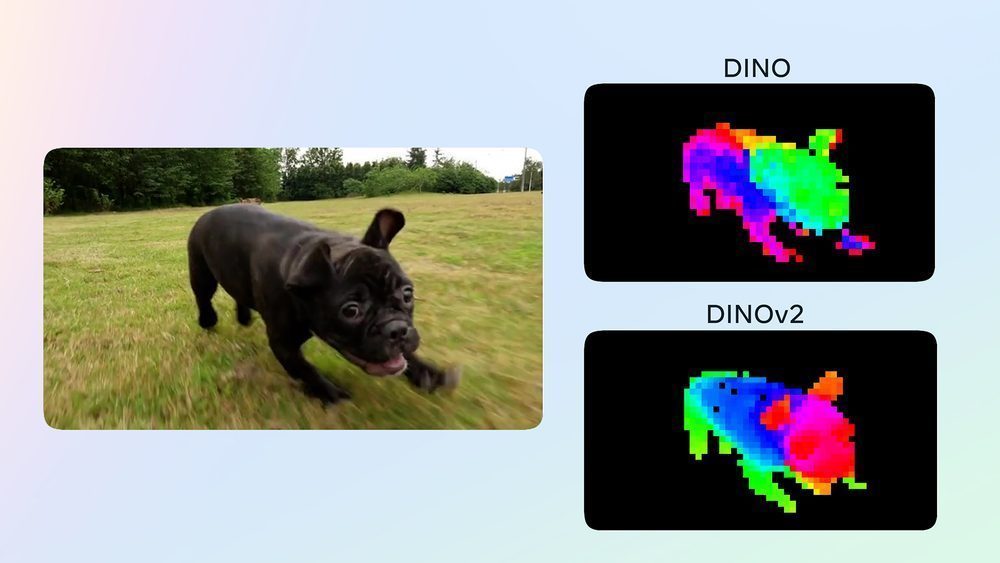
Supervised pretraining needs labelled images — and for most scientific imaging, labels are the scarce resource, not images. DINOv2 is a self-supervised training recipe that learns general-purpose visual features with no labels at all, and matches or exceeds supervised pretraining on many downstream tasks anyway. That’s the constraint most microscopy labs actually operate under: images accumulate quickly, but manually annotated ones don’t.
Learning without being told the answer
The training signal comes from consistency rather than labels: the same image is shown to the network in different augmented views (different crops, different transformations), and the network is trained so that its representations of these different views of the same underlying image agree with each other. There’s no “correct class” ever provided — the model is simply pushed to represent the same content the same way, regardless of how it’s cropped or transformed, which forces it to encode the actual visual structure of the scene rather than memorising labels.
What “general-purpose” means in practice
The resulting features work well across tasks the model was never explicitly trained for — image classification, segmentation, depth estimation — often with just a simple linear layer or nearest-neighbour lookup on top of the frozen features, no fine-tuning of the backbone required. That’s a meaningfully different workflow from training a task-specific network from scratch: the heavy self-supervised pretraining happens once, on a huge unlabelled corpus, and every downstream task reuses the same frozen features.
Why this matters for microscopy specifically
Most imaging labs have an abundance of unlabelled acquisitions and a scarcity of expert-annotated ones (segmentation masks, cell-type labels) — annotation time doesn’t scale the way acquisition does. A backbone pretrained this way turns large, unlabelled microscopy archives into useful training data on their own, rather than dormant storage waiting for annotation budget. Fine-tuning a lightweight task head on top of frozen DINOv2 features, using only the small labelled set that does exist, is often a more label-efficient path than training a segmentation network from scratch.
Takeaways
- No labels are used during pretraining — the signal comes from making the model agree with itself across augmented views of the same image.
- The resulting features transfer to new tasks with a lightweight linear probe rather than full fine-tuning, which keeps the expensive pretraining reusable across many downstream problems.
- This directly addresses the usual bottleneck in scientific imaging: annotation, not acquisition — see DINOv3 on the Evolution timeline for the next entry in this line, trained at far larger scale.
Source
Oquab et al., DINOv2: Learning Robust Visual Features without Supervision, Meta AI, April 2023 — announcement.
Continue through the concepts
Related notes
 DINOv3: fixing the feature drift that blocked longer self-supervised training
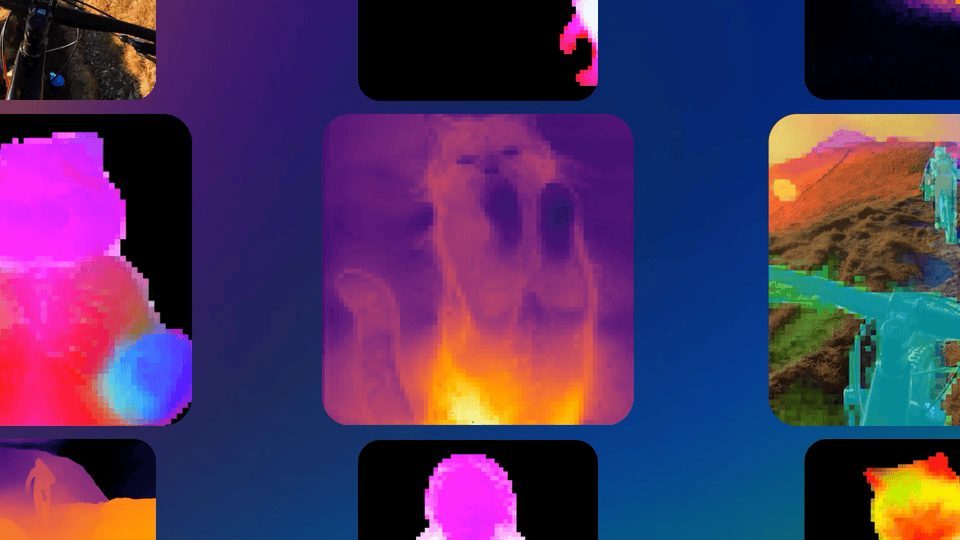
Why dense patch-level features used to degrade over very long self-supervised training runs, and how Gram anchoring fixed it well enough to be the first SSL model to beat weakly-supervised alternatives broadly.
 AlexNet: the result that ended the debate about deep learning
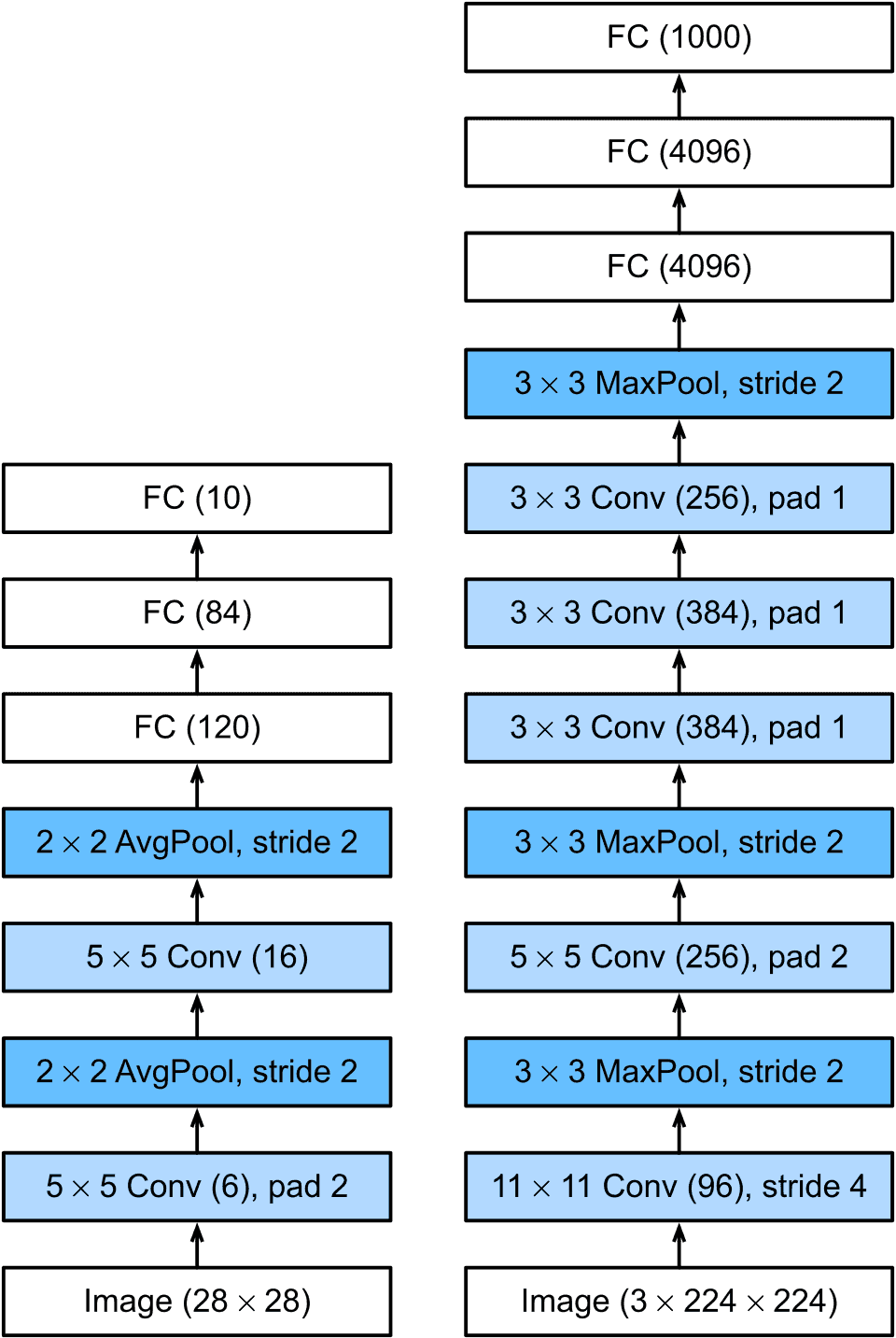
How a convolutional network trained on two GPUs cut ImageNet error by a margin large enough to reset computer vision, and why every microscopy segmentation model on this site descends from it.
 CLIP: learning to see from what images are captioned, not labelled
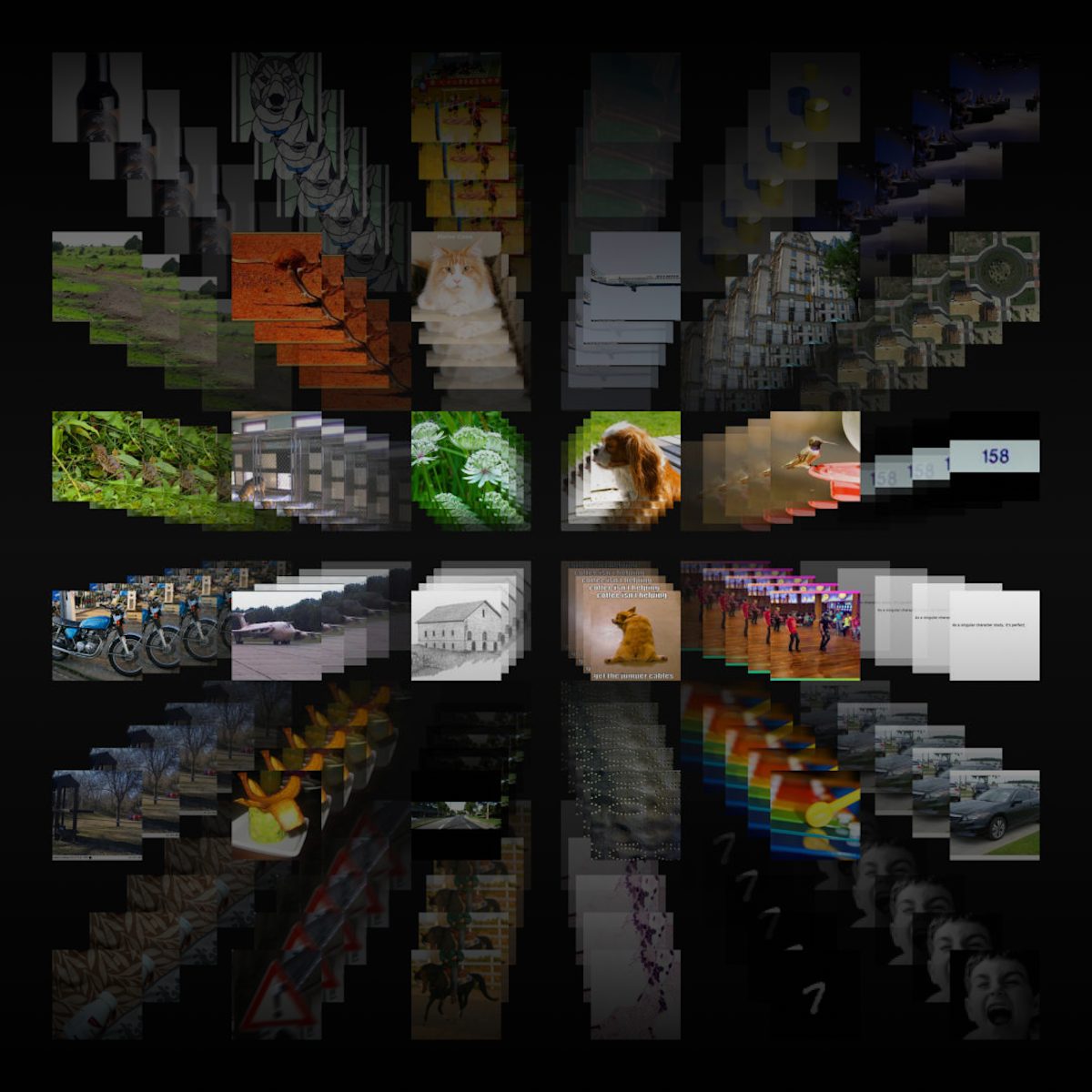
How pairing images with their naturally occurring text turned classification into a similarity search, and why that's the conceptual ancestor of every open-vocabulary vision tool since.
 SAM 2: keeping a mask's identity across a video
How a streaming-memory architecture let promptable segmentation extend from single images to video, tracking an object's identity through occlusion and motion in real time.